
Our imprint on the world matters. We take care in what materials we source and where from, trying to balance their environmental and social impacts.
At Baukjen we don’t use a number of materials known to have particularly negative environmental and/or social impact, for example, we do not use any fur, angora or exotic animal skins in our collections.
Every season we carefully assess our use of materials and how our garments can have a more positive impact on People and the Planet. For AW25, 100% of our fabrics are responsibly sourced, with 80% lower impact fibres. It is our goal to use only Low Environmental Impact materials and contribute to a circular materials economy by increasing the amount of recycled and regenerative fibres we use. Our recycled fabrics might have small imperfections which is just where other fibres have been caught up in the recycling process. We are actively looking to replace some of our materials with alternatives with proven better impact. You can read all about how we class our materials in our “What we mean when we say … at Baukjen” page, you can also read about our progress on use of materials in our Impact Report.
ECO CASHMERE
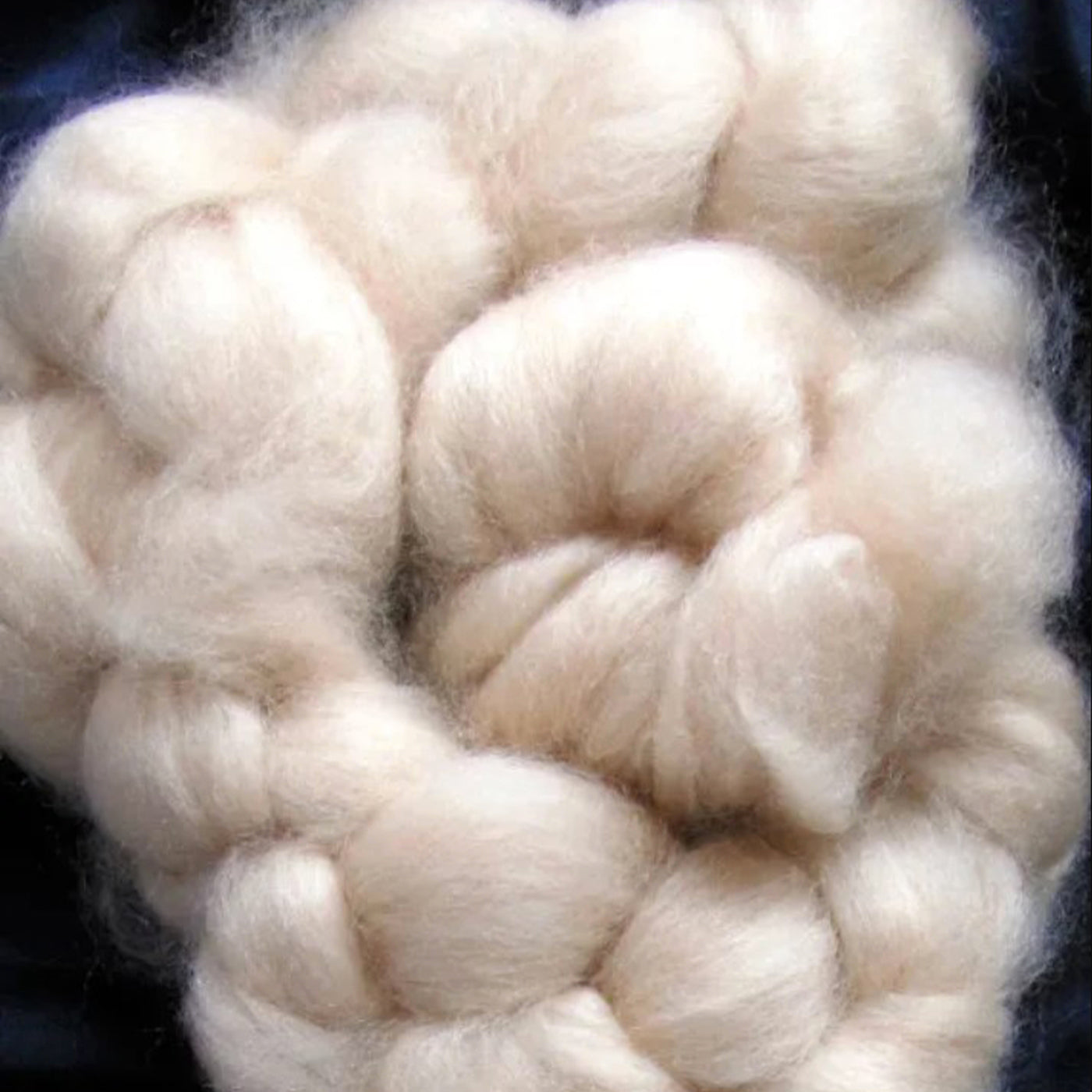
Cashmere is a renowned wool that is lighter and more insulating than sheep wool. Our Eco Cashmere yarn is completely recycled, consisting of 50% pre-consumer recycled and 50% post-consumer recycled cashmere wool. It is made in Italy in a high-quality facility and boasts less resource consumption and emissions when compared with virgin wool.
ECOJILIN VISCOSE
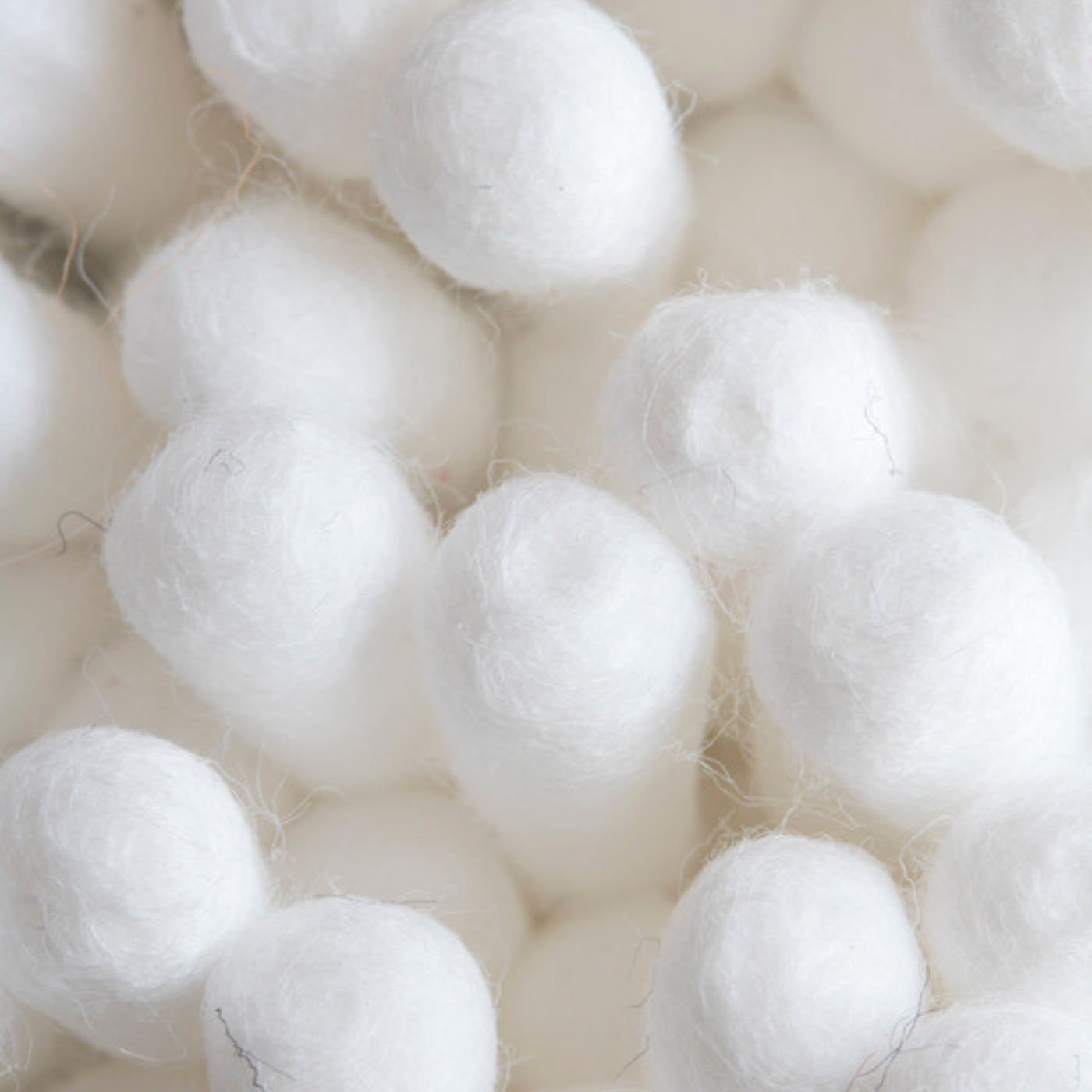
Ecojilin Viscose is a man-made cellulosic fibre (MMCF) made with a blend of Jilin's luxurious viscose and pre-consumer recycled cotton fibres. Up to 20% of cotton plant's fibres are too short to be made into yarn and discarded at production, called cotton linters. Ecojilin collects these fibres and recycles them into a viscose, or MMCF, using significantly less energy and water in the process than traditional viscose made with wood pulp because cotton breaks down more easily than wood. This viscose uses a waste material and helps preserve tree cover. A true win-win for the planet!
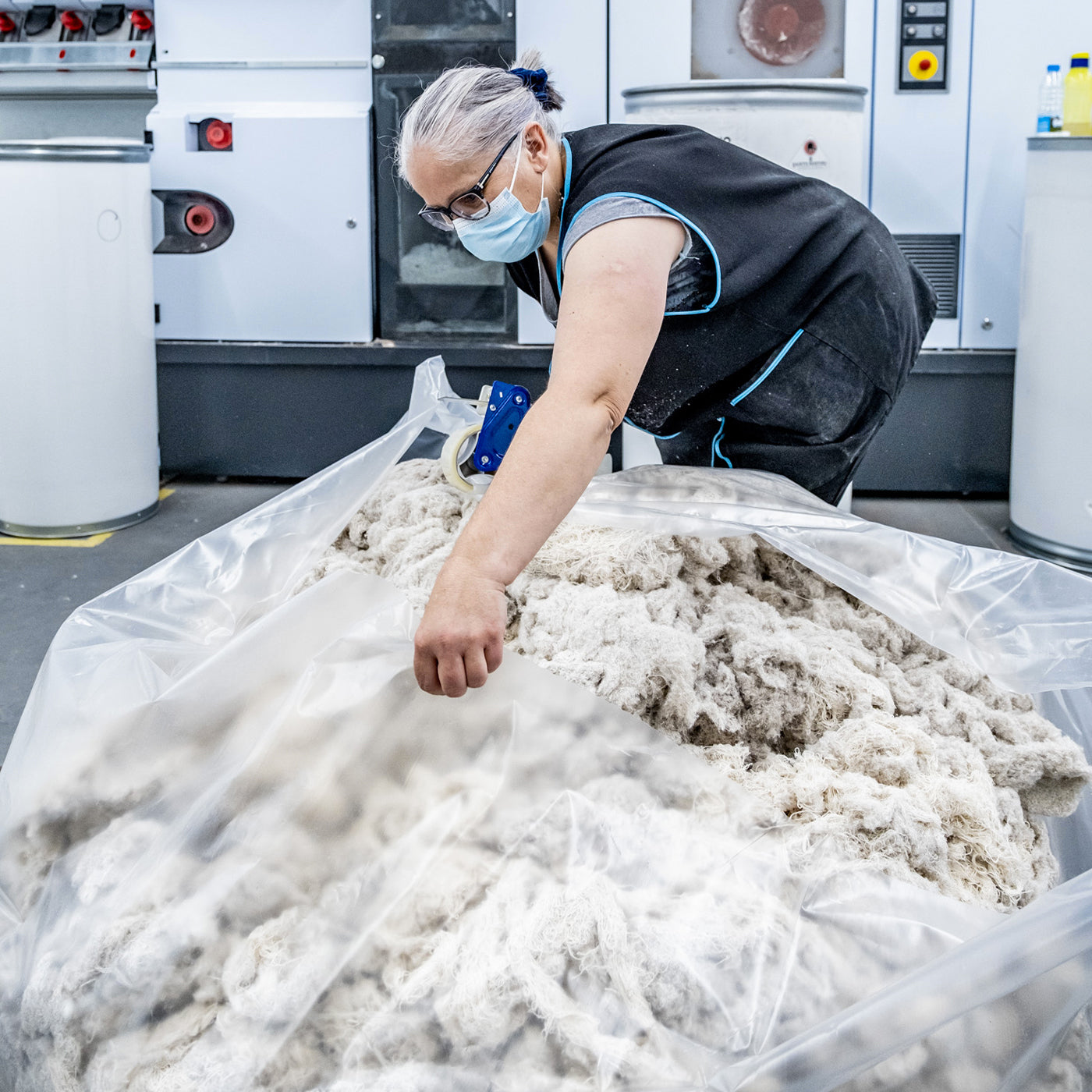
ECOTEC® RECYCLED BLENDS
Ecotec® is a yarn made in Italy from pre- and post-consumer recycled fibres. Our supplier's process shreds, cleans and spins the fibres into a cotton/poly yarn to be used in new clothes. Ecotec® yarn saves resources from going to waste, uses less energy and water during production, and has a lower carbon footprint also!
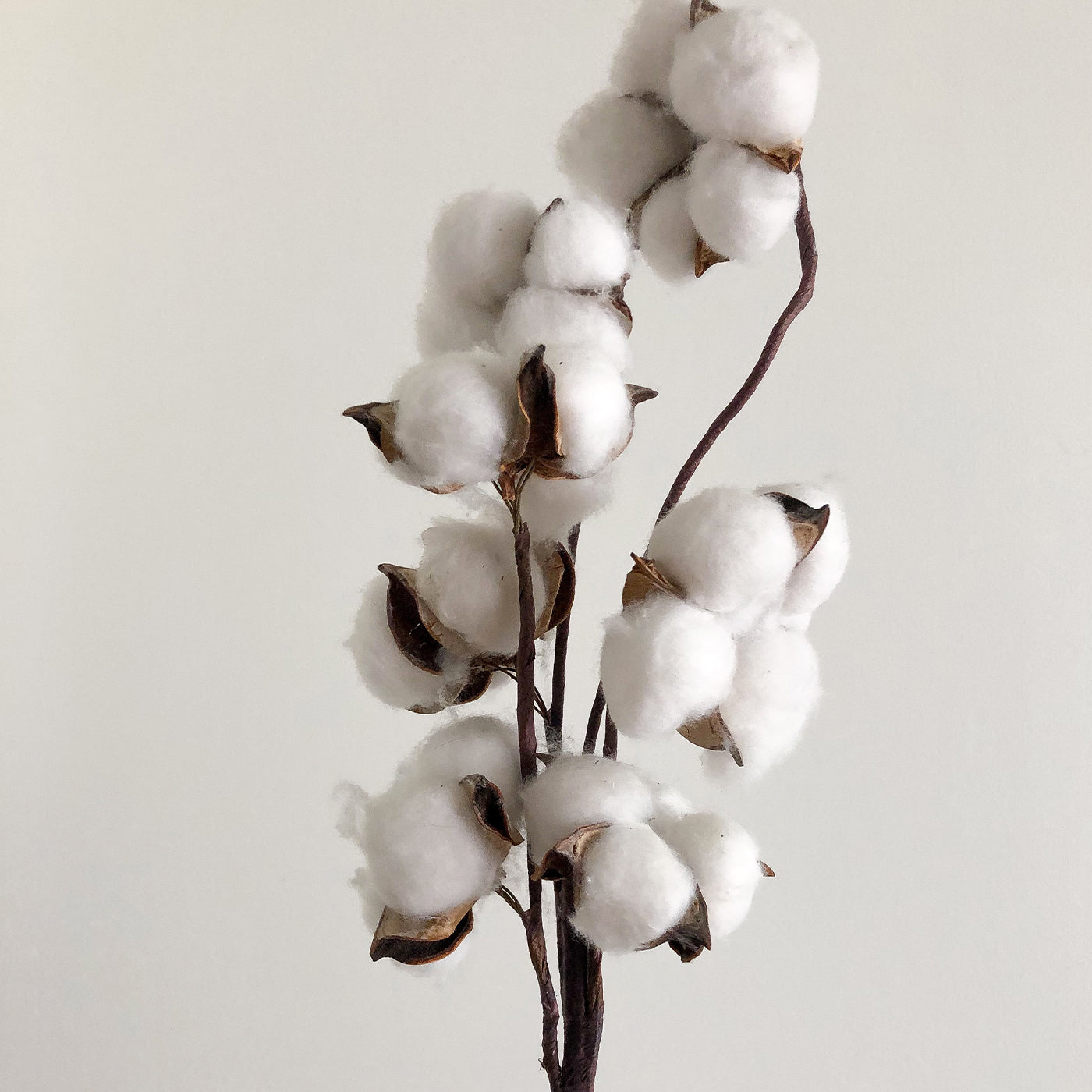
ORGANIC COTTON
Organic cotton fibres are grown and processed according to organic agricultural standards that restrict the use of toxic chemicals or GMOs. It prevents pollution and preserves the health of soils and water bodies, protecting our fragile biodiversity.
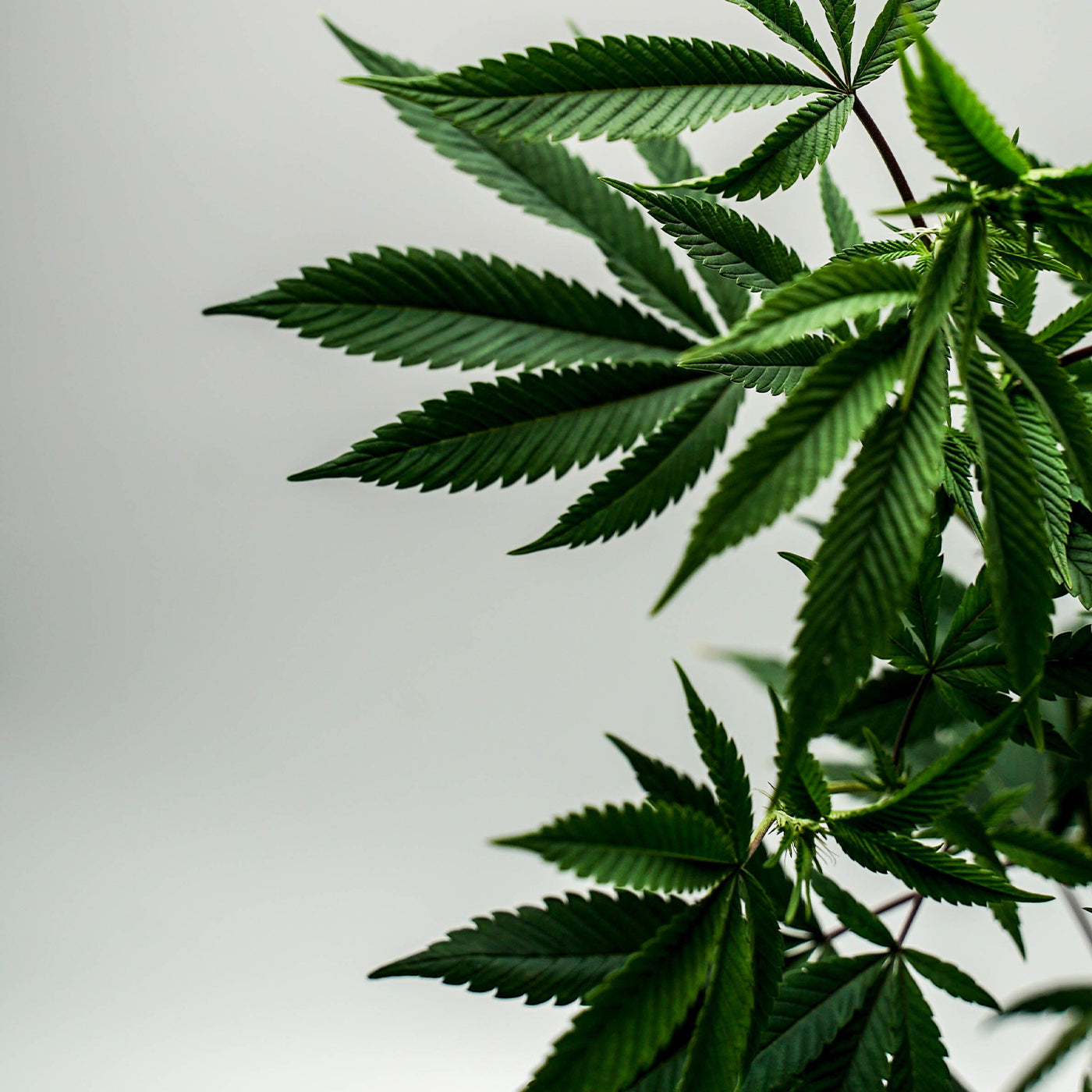
HEMP
Hemp is a natural fibre harvested from the hemp plant. As a crop, hemp is low maintenance, it grows easily in many climates and needs little water and no pesticides. The hemp plant produces very long and strong fibres with a naturally low environmental impact.
Hemp garments hold their shape very well, are stronger than other natural fibres and become softer with use. They are also very easy to care for, meaning less work for you and less stress on our planet!
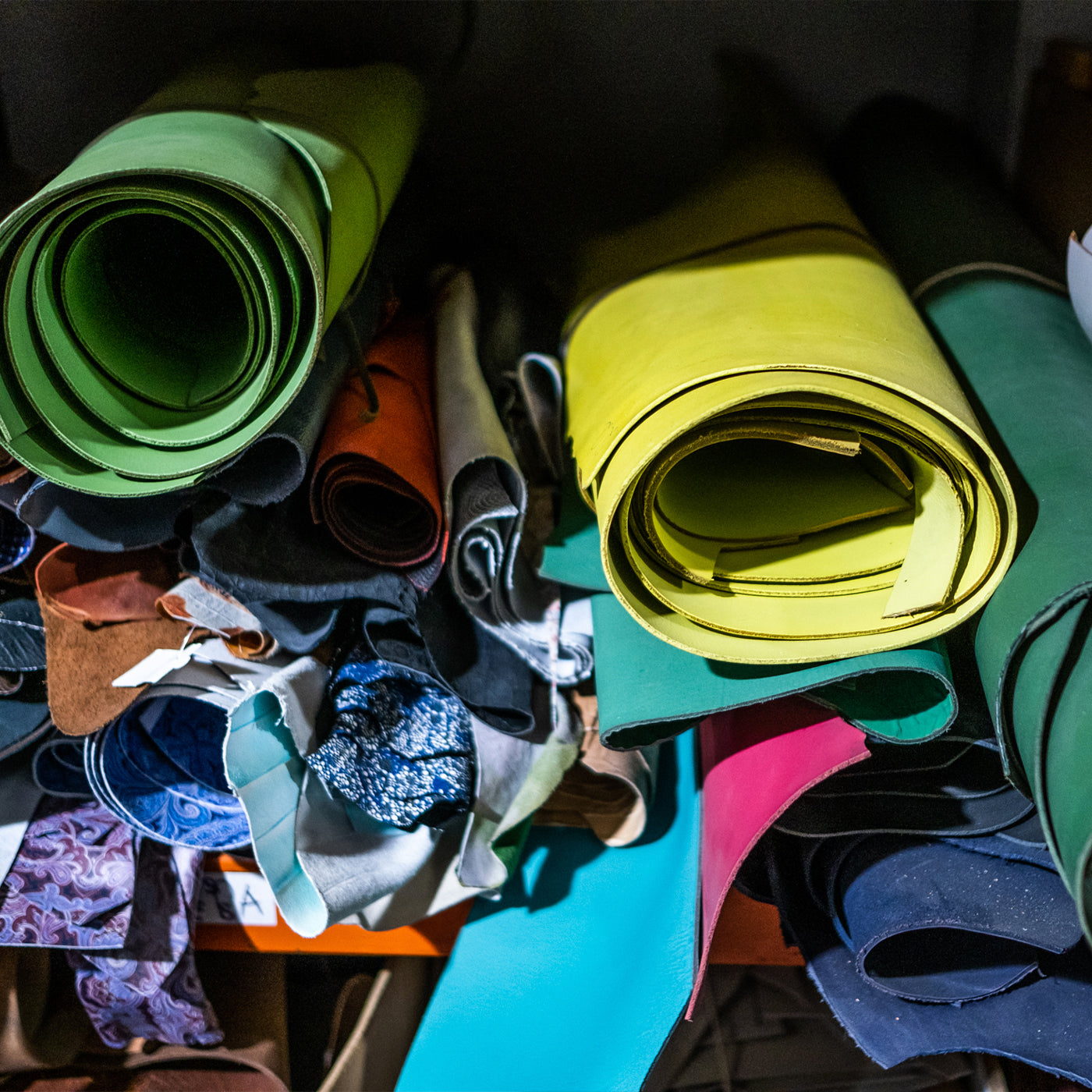
LEATHER AND SUEDE
Leather is a priority material for us to seek the most sustainable options or alternatives. We use bovine, sheep or goat leathers, sourced from factories that are certified under standards for environment and labour. Previously, we referred to leather as a by-product as it was seen as a waste of the food industry. To stay transparent and true to you, we now define leather as a co-product as it has always had value because of its longlasting quality. We continue to always request from our suppliers that our leather derive from food industry production.
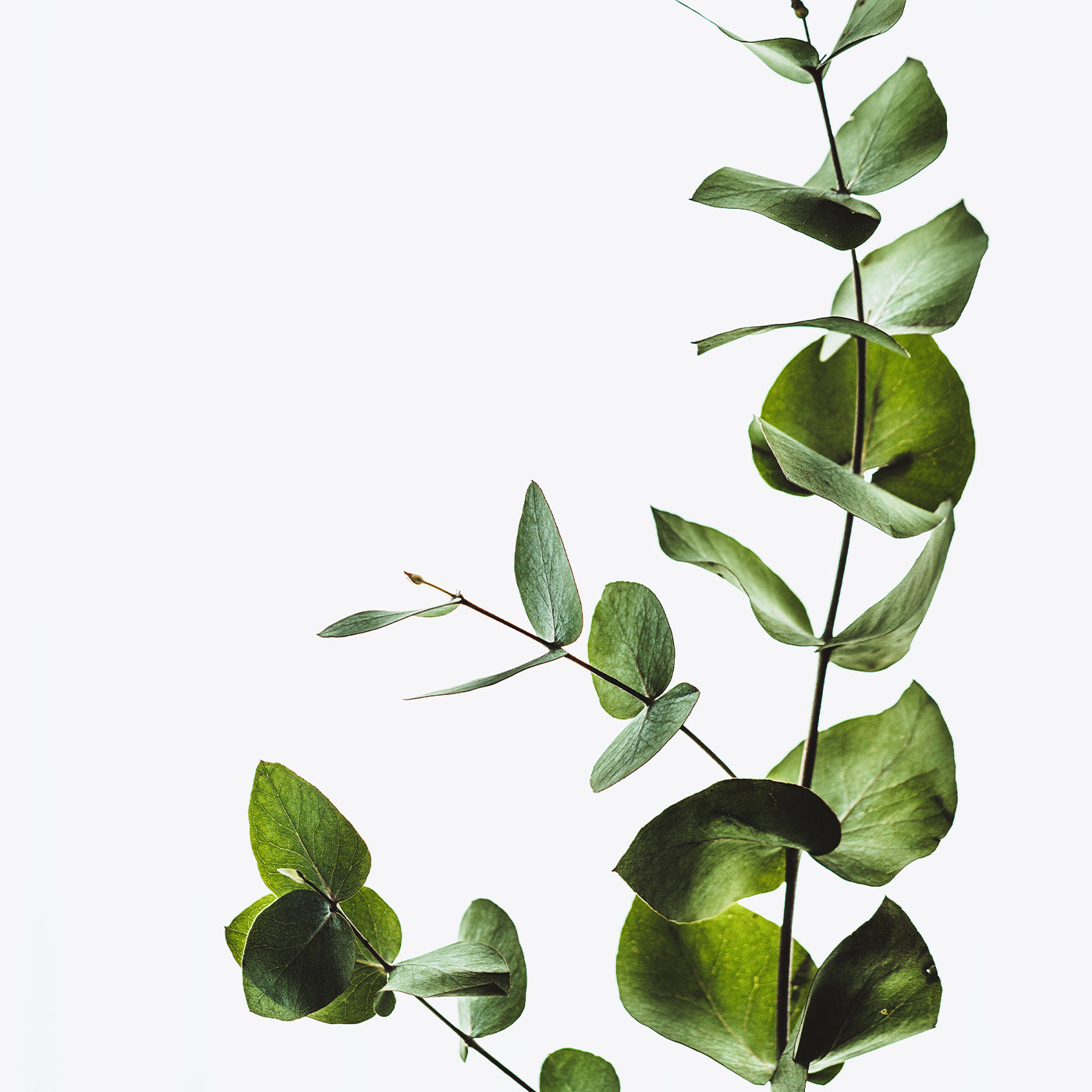
LENZING™ ECOVERO™
LENZING™ ECOVERO™ fibres are made from wood, a natural and renewable raw material carefully sourced from responsibly managed forests. The wood taken from nature is purposefully balanced with forest growth rates, to ensure the continued availability of this valuable resource. LENZING™ and ECOVERO™ are trademarks of Lenzing AG.

LINEN
Did you know linen is not a fibre, but a fabric? Linen is commonly woven with flax, a bast fibre as it is naturally found from the plant's stem. It grows on all Northern hemisphere continents, with the majority grown in Europe. When managed, flax can be grown without pesticides or fertilisers.
Linen clothing is breezy and great for the warmer months, though dark colours can fade if they catch a lot of sun. Linen will get softer and crease less with use, creating a lived-in effect that we love - perfect for classics that are worn year after year!
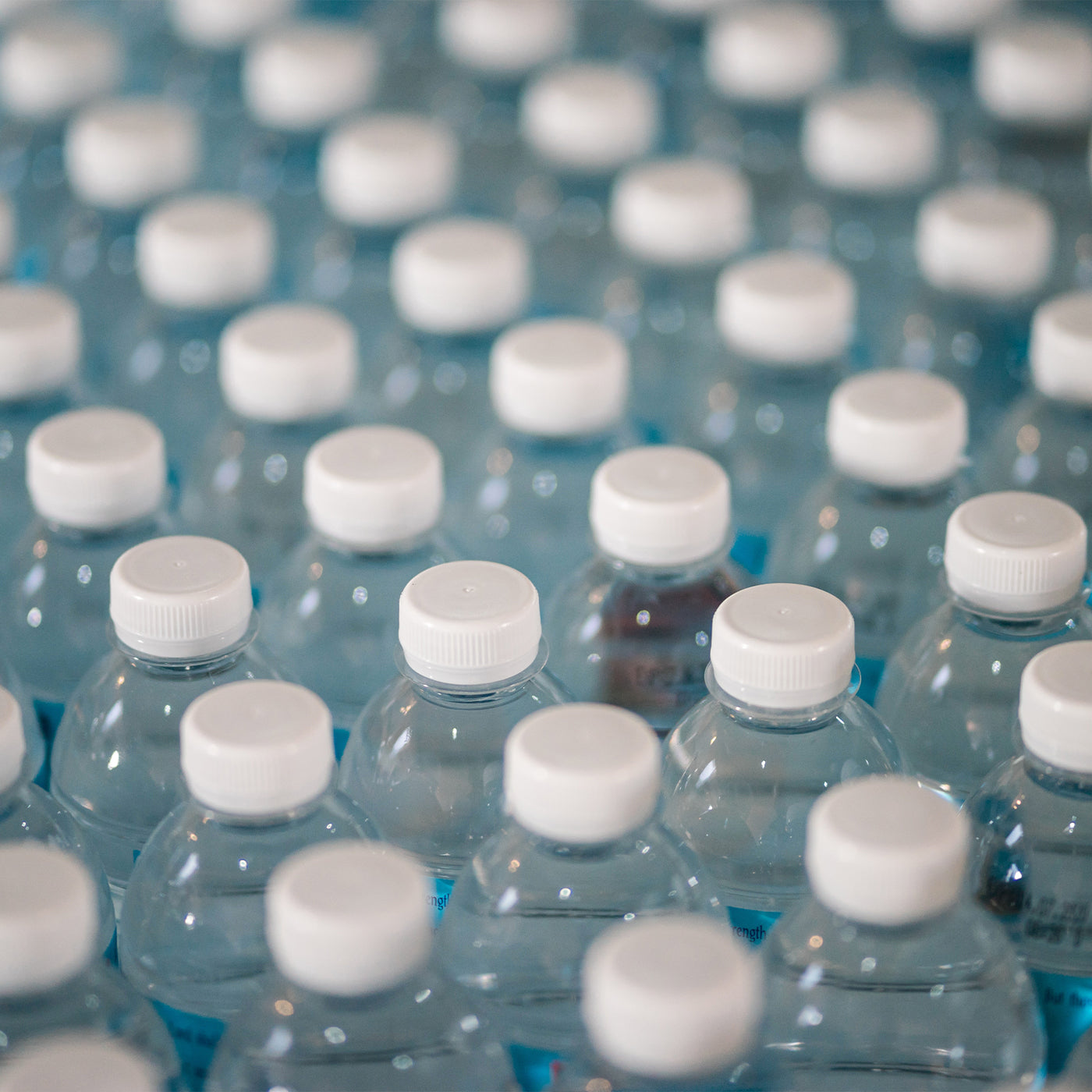
NEWLIFE RECYCLED POLYESTER
Newlife is a certified recycled polyester. Whilst being a synthetic fibre, Newlife is made of 100% post-consumer plastics that are shredded and recycled through a mechanical process that avoids the addition of chemicals. It keeps resources in use and uses less water, less energy and results in less emissions than virgin polyester.
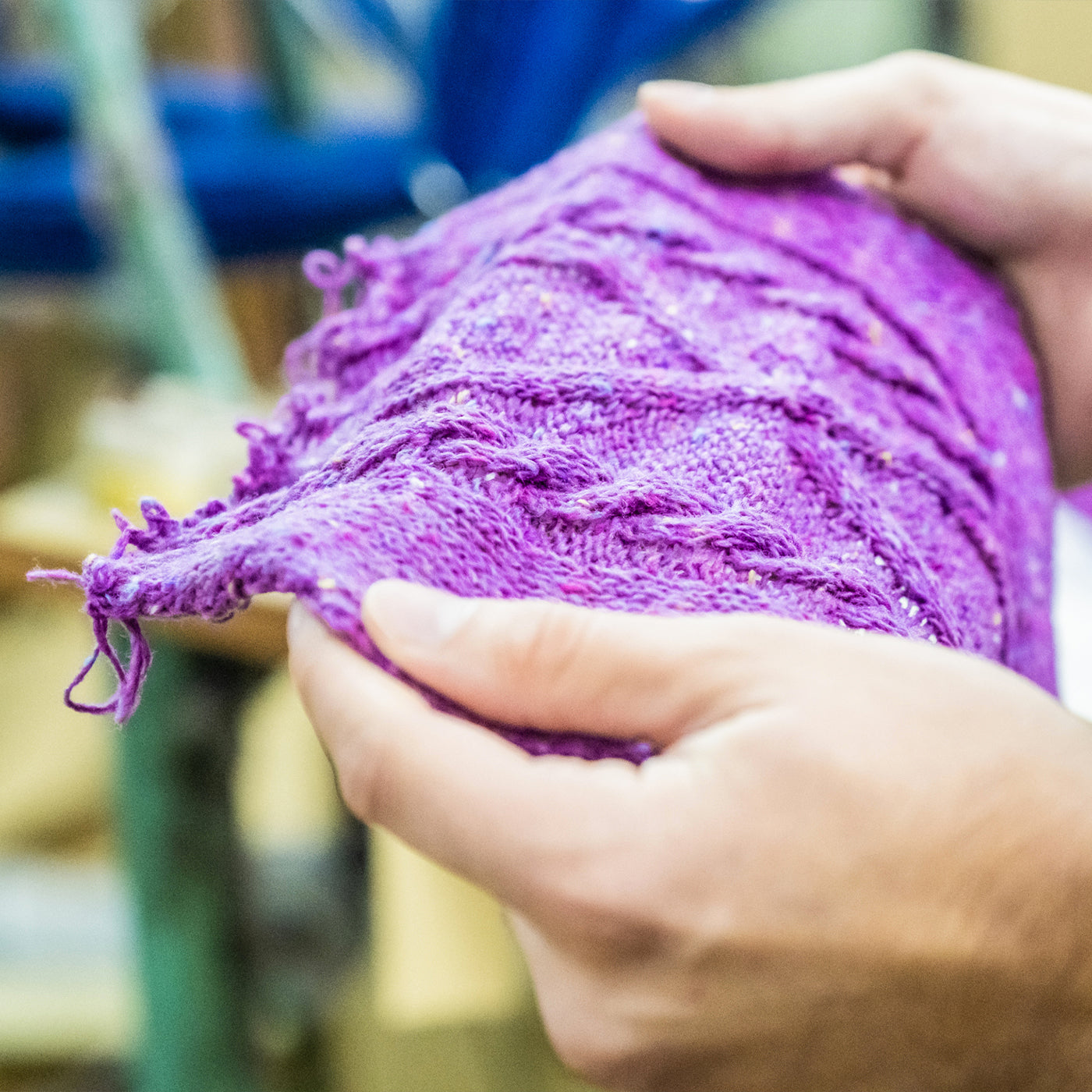
RECYCLED WOOL
Recycled wool has a long tradition. The Italian district of Prato is a major producer of recycled wool where approx. 22,000 mt of wool are recycled every year. Fibres can be either pre-consumer or post-consumer, preserving resources such as water, dyes and chemicals. Our recycled wool blends may have small imperfections as a result of the recycling process, this means every piece is a little bit unique.
Shop Recycled Wool | Follow our Care Guide or read How to Care for Wool Knitwear
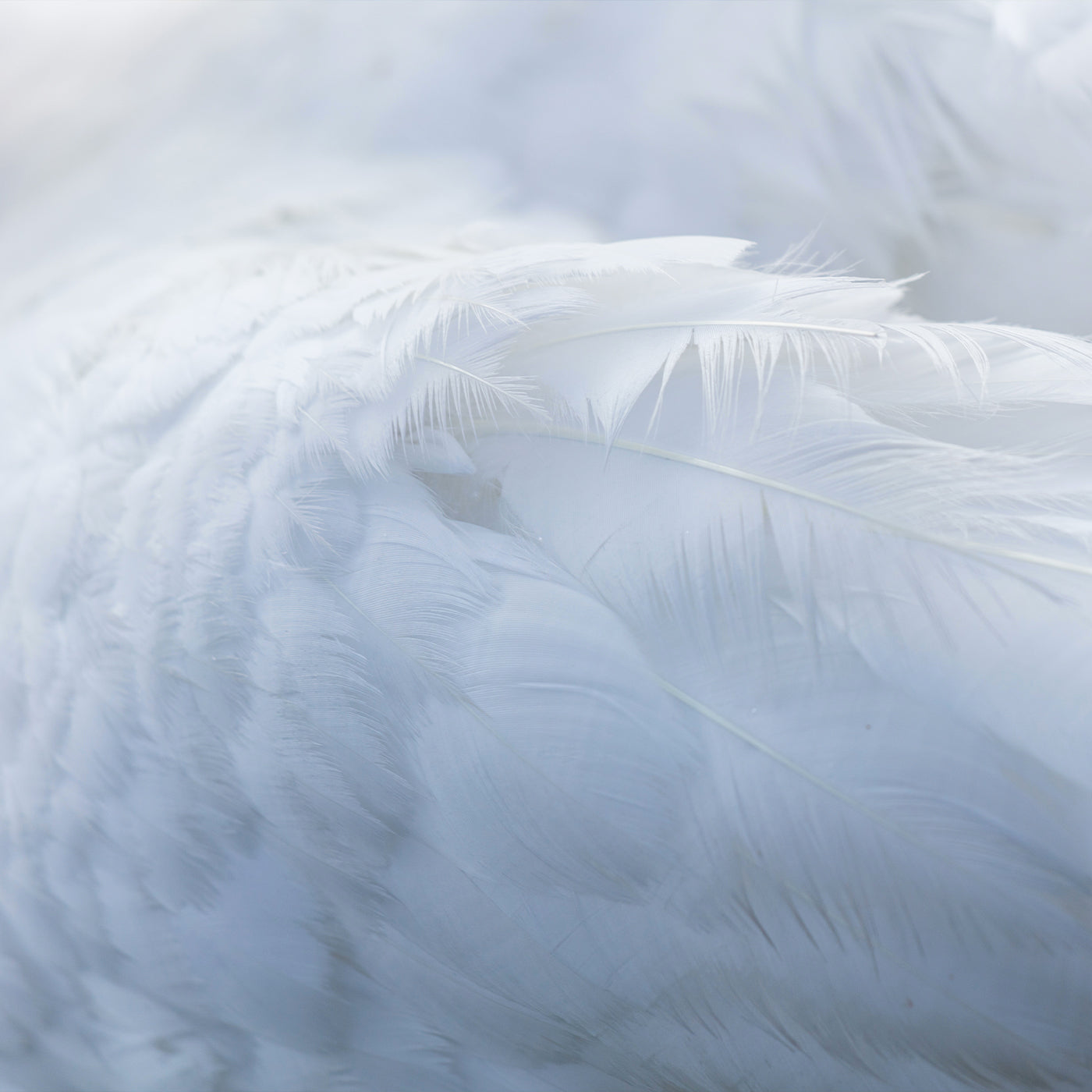
RECYCLED DOWN
Recycled Down is an all-natural, kinder to animals and planet alternative to traditional duck down filling. Recycled Down feathers are taken from pre-consumer waste and reprocessed to be used in new goods. The quality of it is as good as new, whilst requiring a lot less resources and contributing to a circular economy.
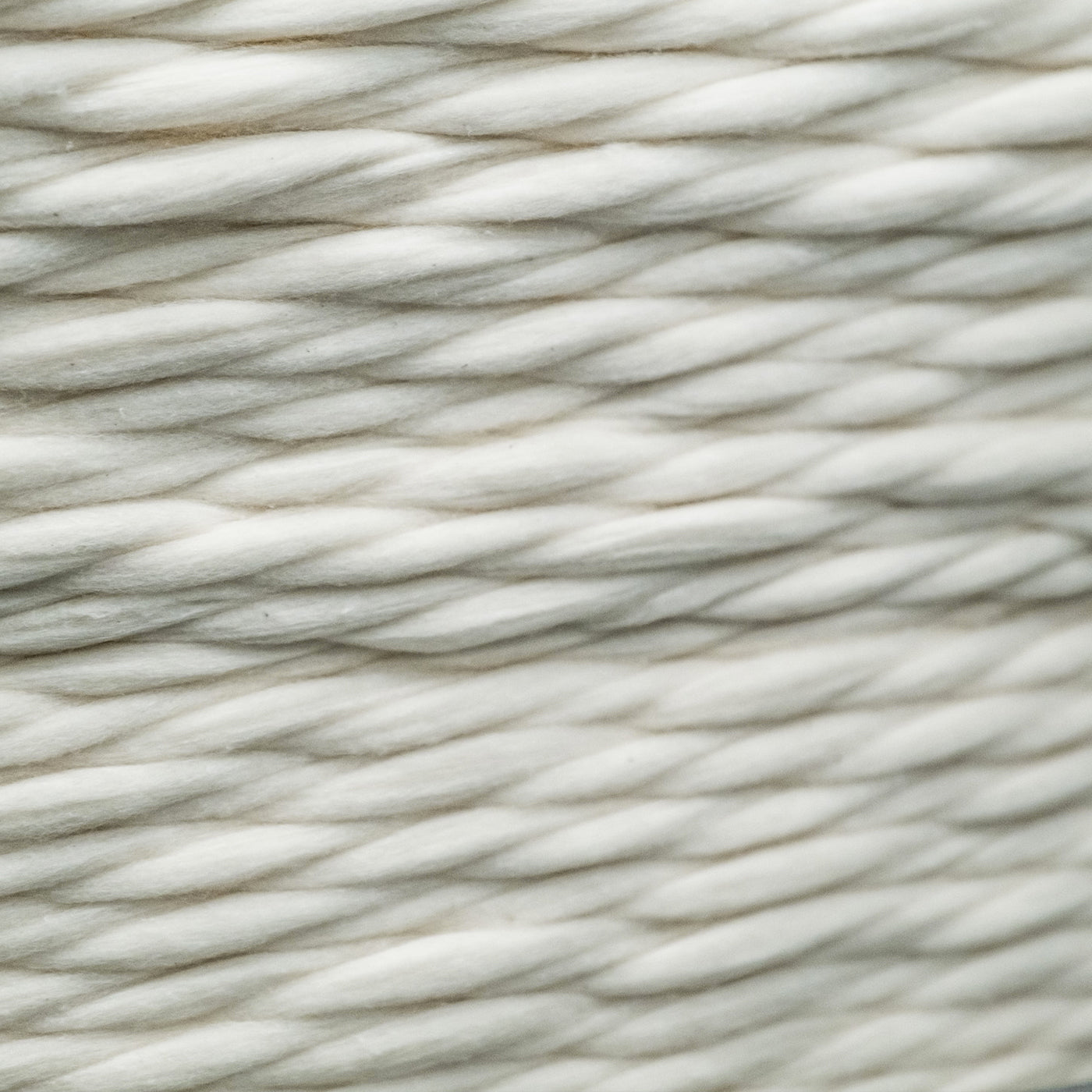
WOOL
Wool is a natural, renewable and biodegradable fibre known for its warmth. We use responsibly-sourced wool fibres, which ensures good animal rearing practices and that the wool is harvested without mulesing.
Wool garments are naturally resistant to stains and creasing, they are very easy care and don’t need frequent washing.
Shop Wool | Follow our Care Guide or read How to Care for Wool Knitwear
TENCEL™ Lyocell
TENCEL™ Lyocell is known for its innovative closed loop production process. Wood pulp is transformed into cellulosic fibres, while more than 99.8% of the solvent are recovered and fed back into the loop, resulting in close-to-zero wastage. For its highly responsible sourcing practices helping to protect ancient and endangered forests, Lenzing has been recognised as one of the best performing companies worldwide in
Canopy’s Hot Button Report in 2023.

SURPLUS FABRICS & YARNS
Fabrics and yarns are often left over from cancelled or unfulfilled orders at factories and mills. These fabrics and yarns are perfectly good to be reused. As part of our commitment to reducing waste and increasing the circular fashion economy, we are trying to use more of these 'deadstock' fabrics in our collections. They are of course a limited run, so when it's gone it's gone.
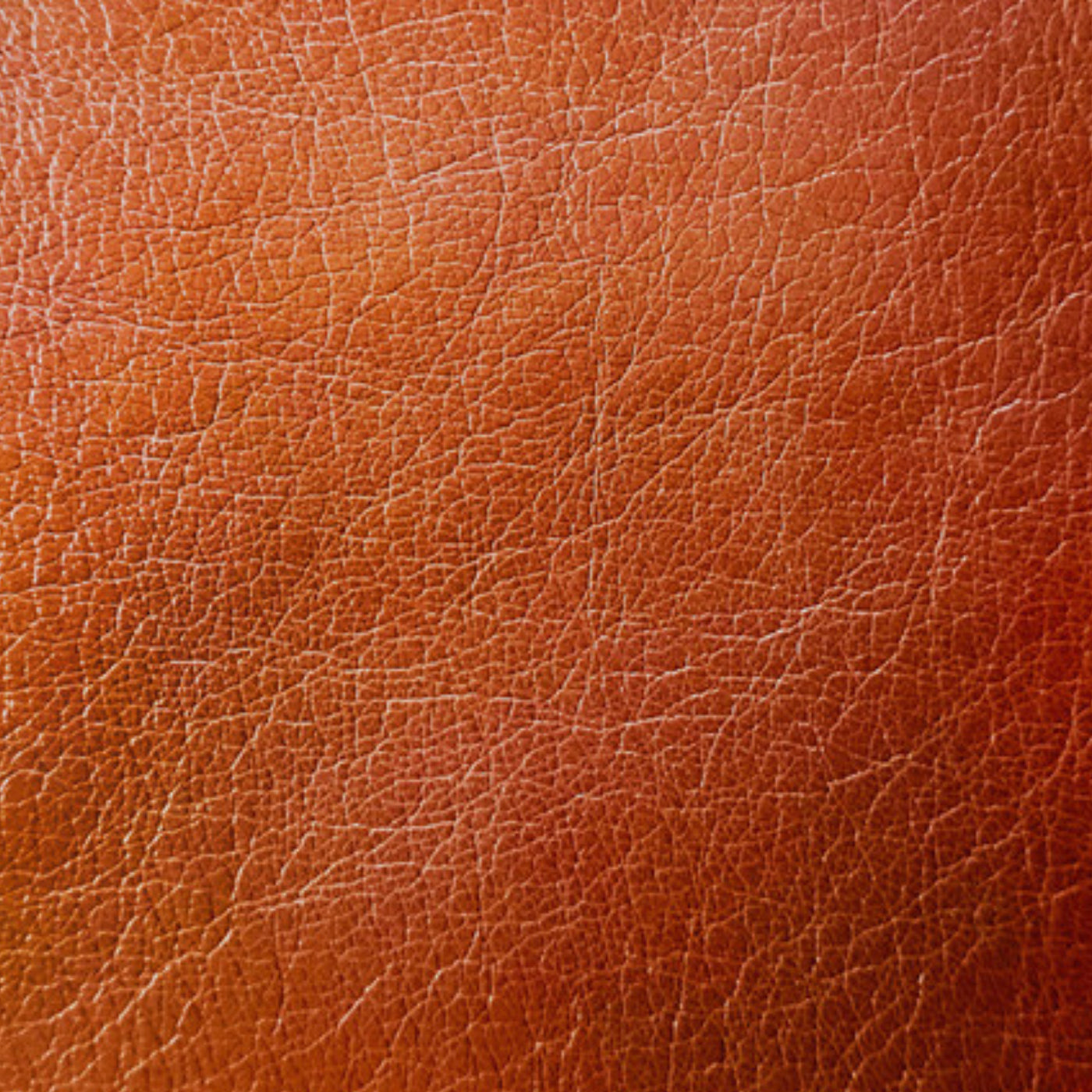
VEGETABLE TANNED LEATHER
Vegetable tanned leather is traditionally tanned with vegetable extracts, such as tree bark and leaves. This method of tanning uses very little chemicals and preserves the original properties of leather, meaning it will age and develop patina over time. It is better for the planet and its people because it doesn't rely on non-renewable metal salts, which are hard to dispose of and can contribute to health problems.
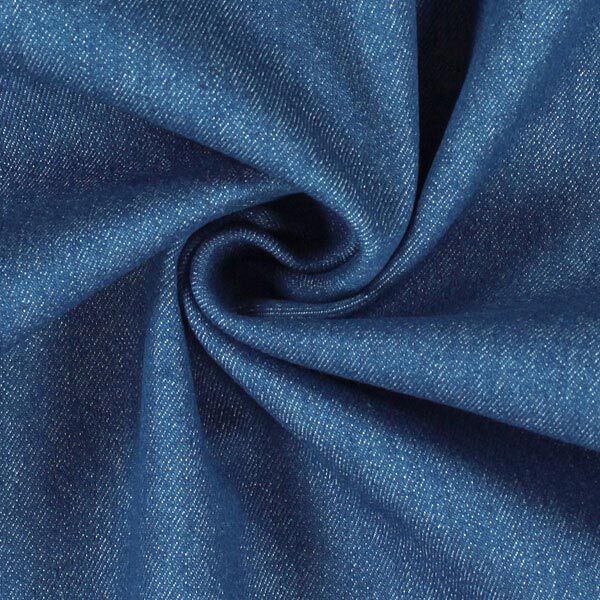
LYCRA® T400®
You might see Lycra® T400® in some of our fabric compositions, and it’s simply a different form of stretch fibre which is added to improve the comfort and fit of certain styles like skinny jeans. This form of stretch fibre is unique because it also makes the fabric breathable and is more durable than conventional elastane, meaning the garment lasts longer.